
Penhalonga, Mutare
Mutare, Penhalonga — 13,000-ton heap leach
Earthworks, geomembrane lining, and process ponds for a 13,000-ton heap leach pad — delivery on the ground, not a paper layout.
The works
Elandridge delivered the civil and lining works for a 13,000-ton heap leach at Penhalonga, Mutare. The sequence is the same as any pad that has to hold solution: set out the site, cut and compact the earth, prepare the pad, lay and weight the geomembrane, then finish the process ponds that collect what the heap produces.
01
Site set-out
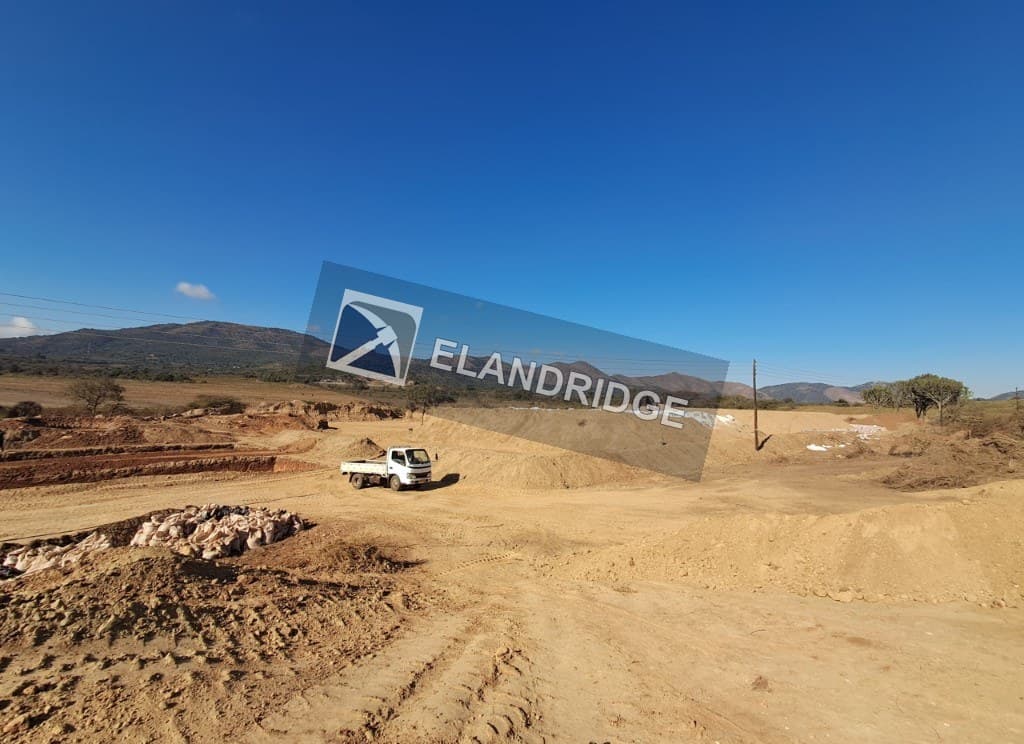
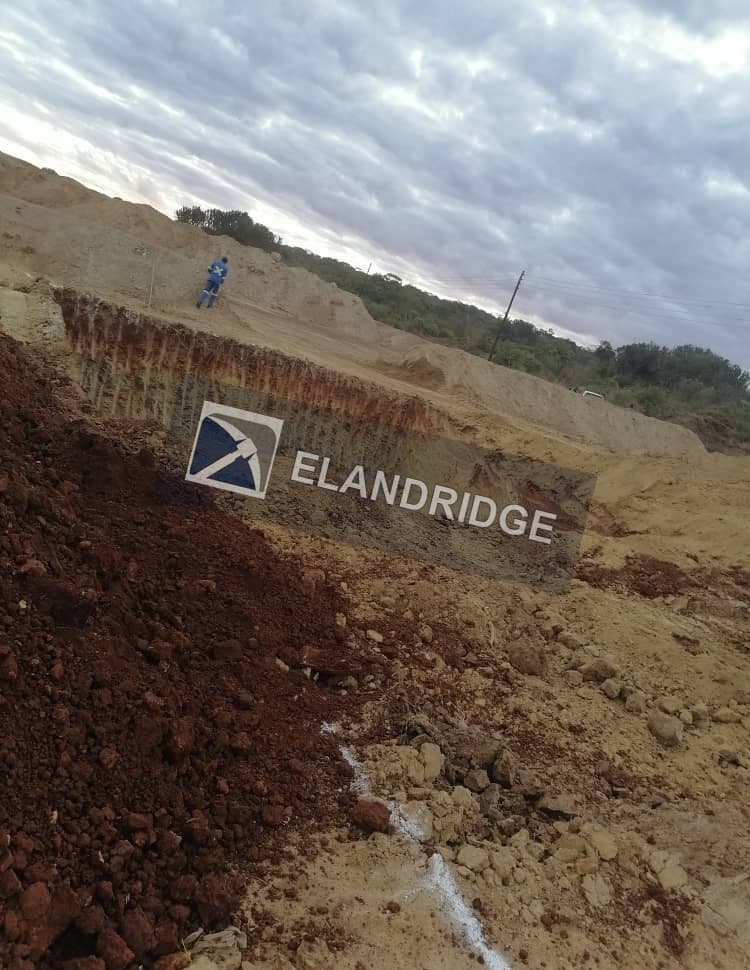
The cleared footprint, access onto the works, and liner and sandbags staged on the ground. This is the 13,000-ton heap leach site before the pad is formed — the shape of the job is already visible in the cut and the hills behind it.
02
Earthworks
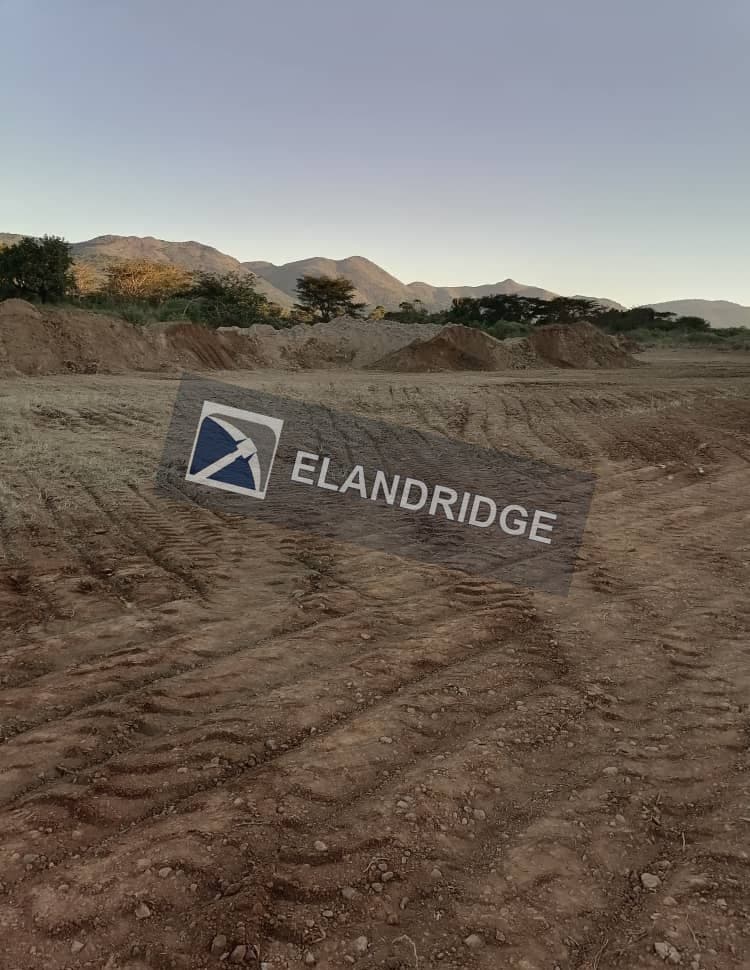
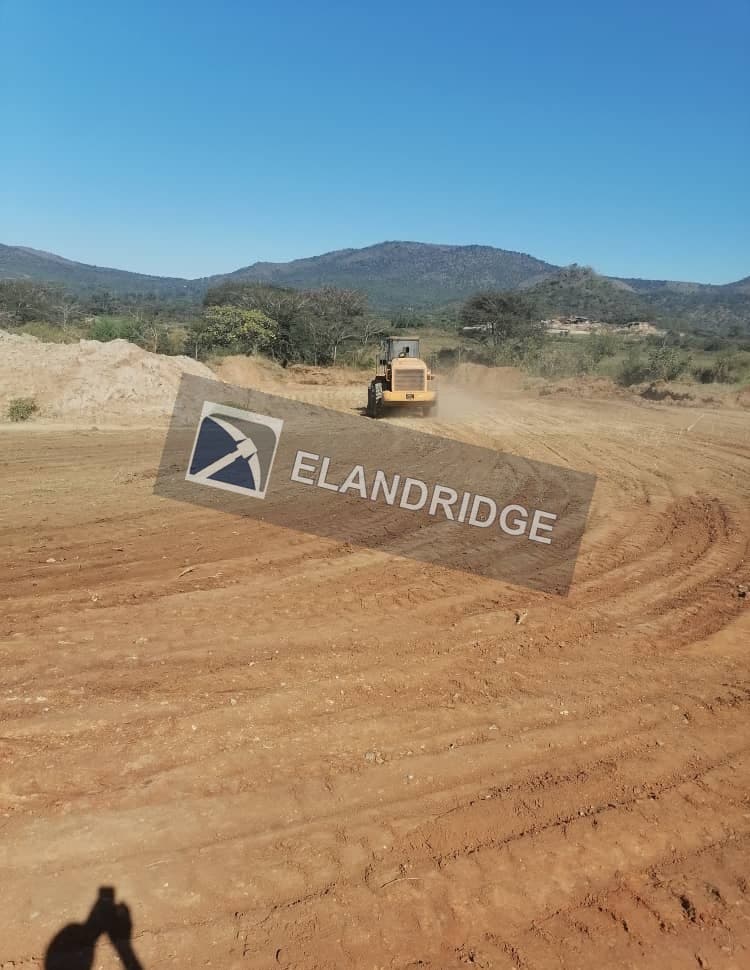
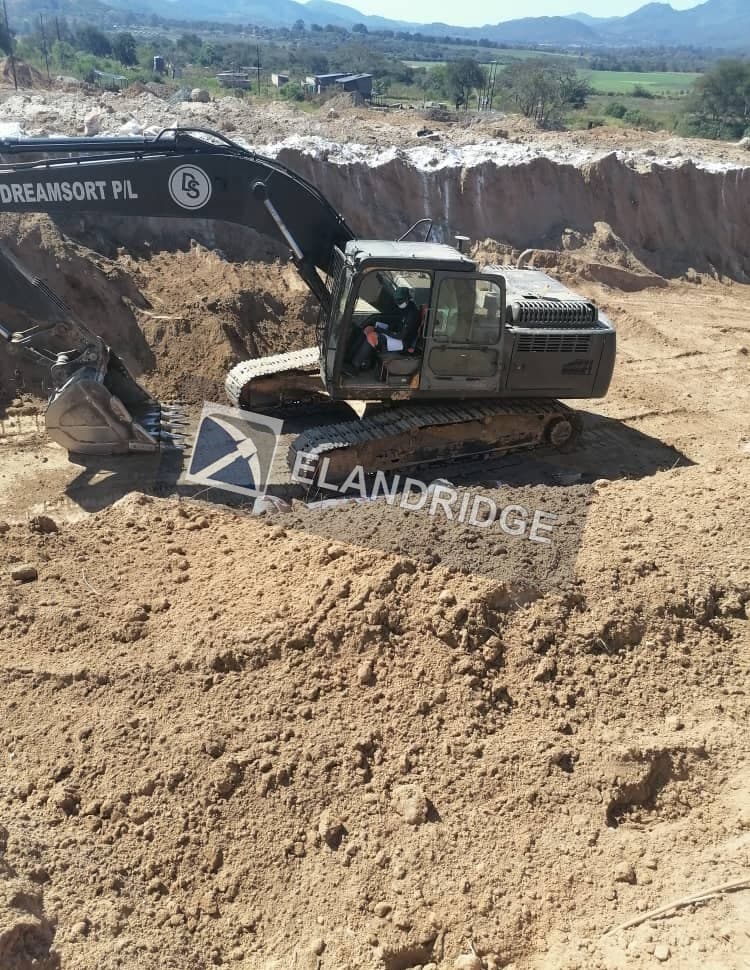
Cut, fill, and haul to form the pad and pond excavations. Tracks on the compacted surface, a loader on the grade, an excavator in the cut, and the exposed face of the earthworks — this is the ground the liner will sit on. A pad that is not true will telegraph into wrinkles, ponding, and leaks.
03
Pad preparation
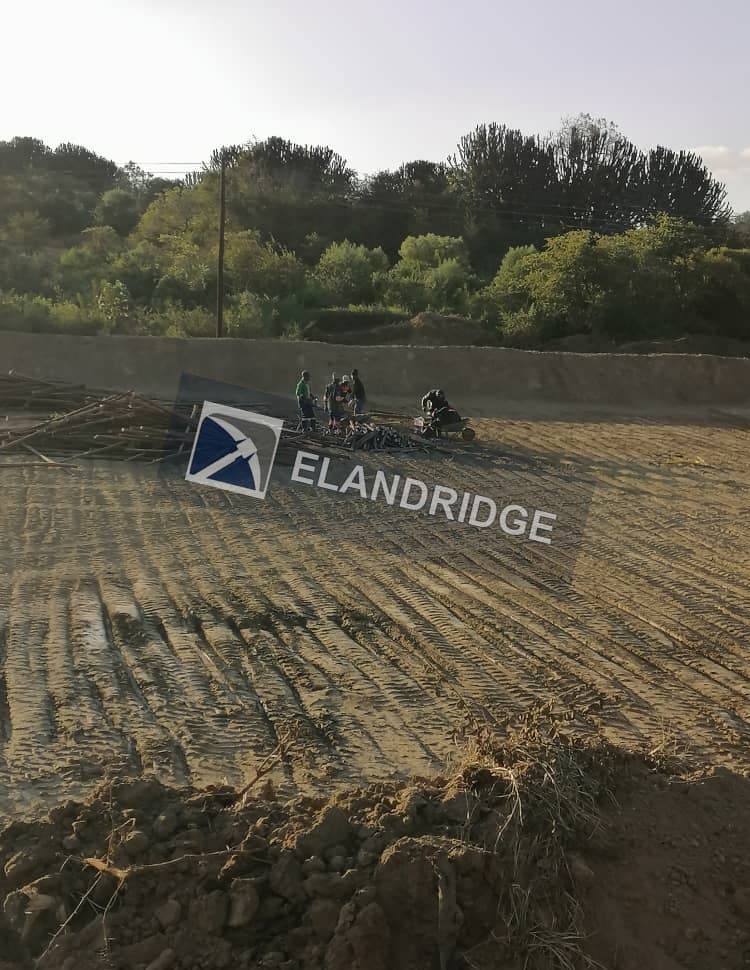
The leach pad is graded and compacted, with the crew on the surface setting out the next works. Stakes and bunds mark the edge of the pad. This is the last chance to get the slope and finish right before geomembrane goes down.
04
Geomembrane lining
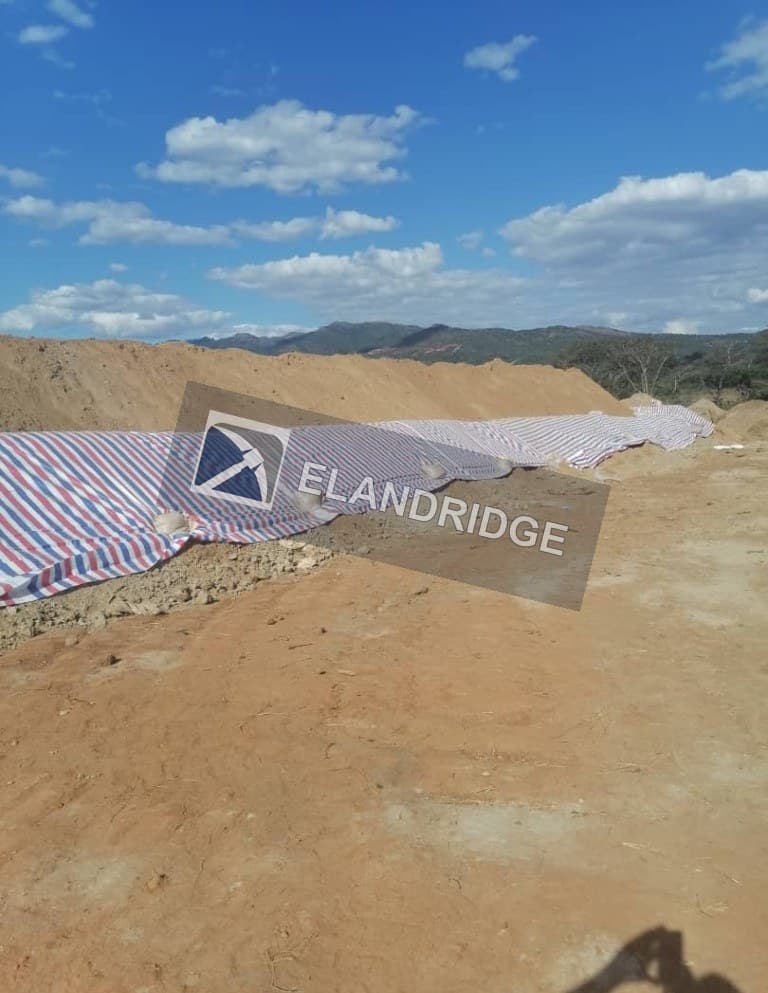
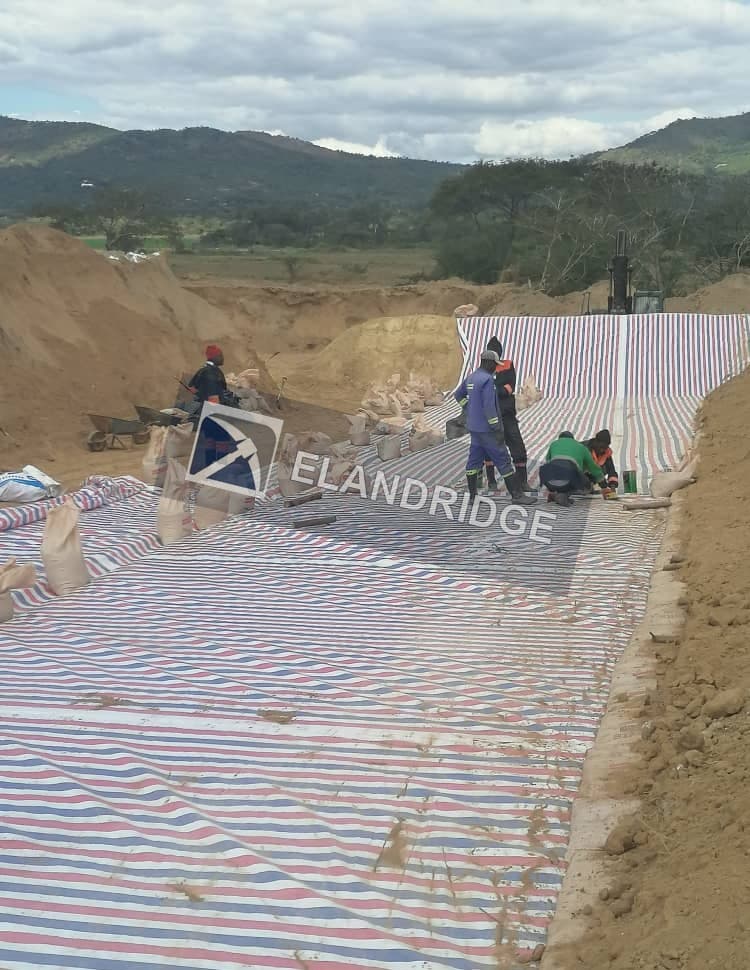
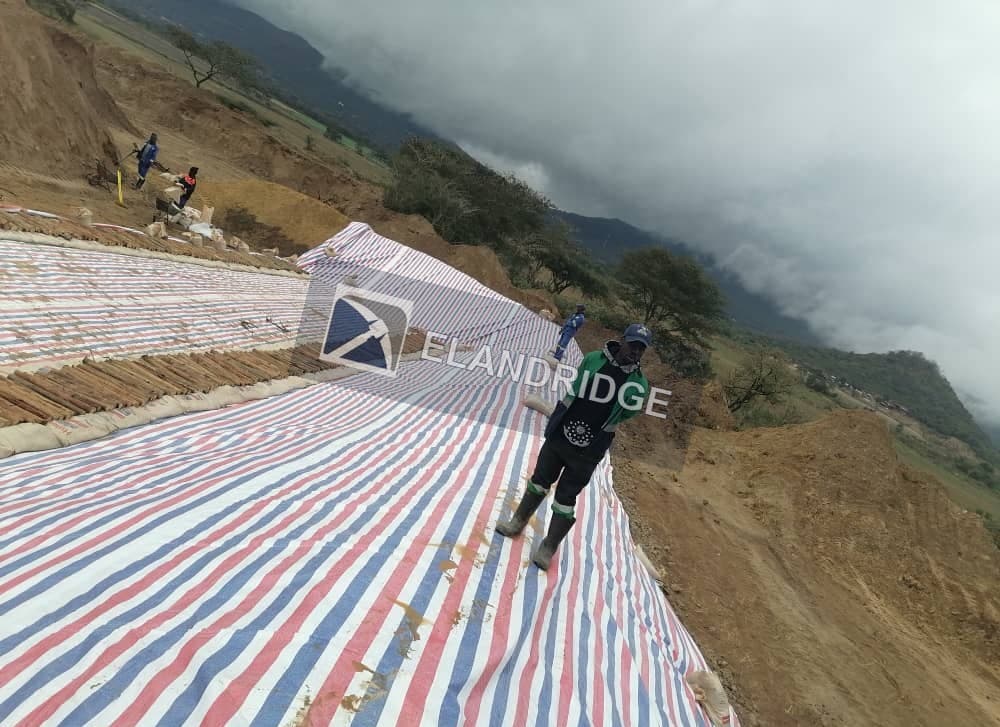
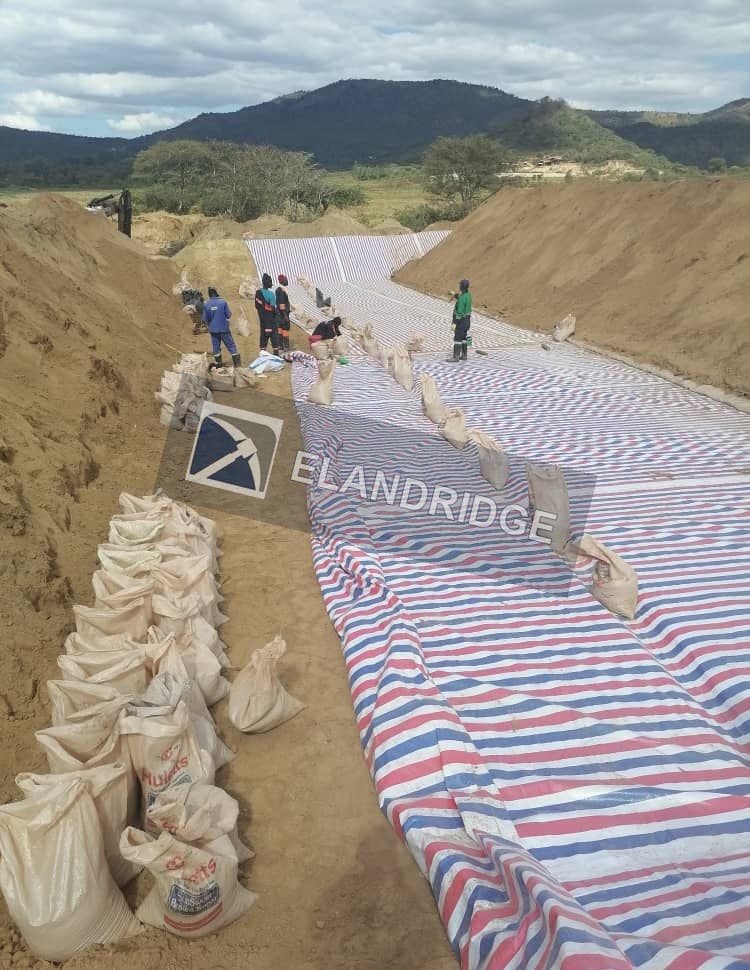
Liner is laid on the pad, up the embankments, and into collection trenches. Sandbags and timbers hold the sheet against wind and slope until it is secured. The membrane is the containment — without a continuous liner, leachate has somewhere to go besides the ponds.
05
Process ponds
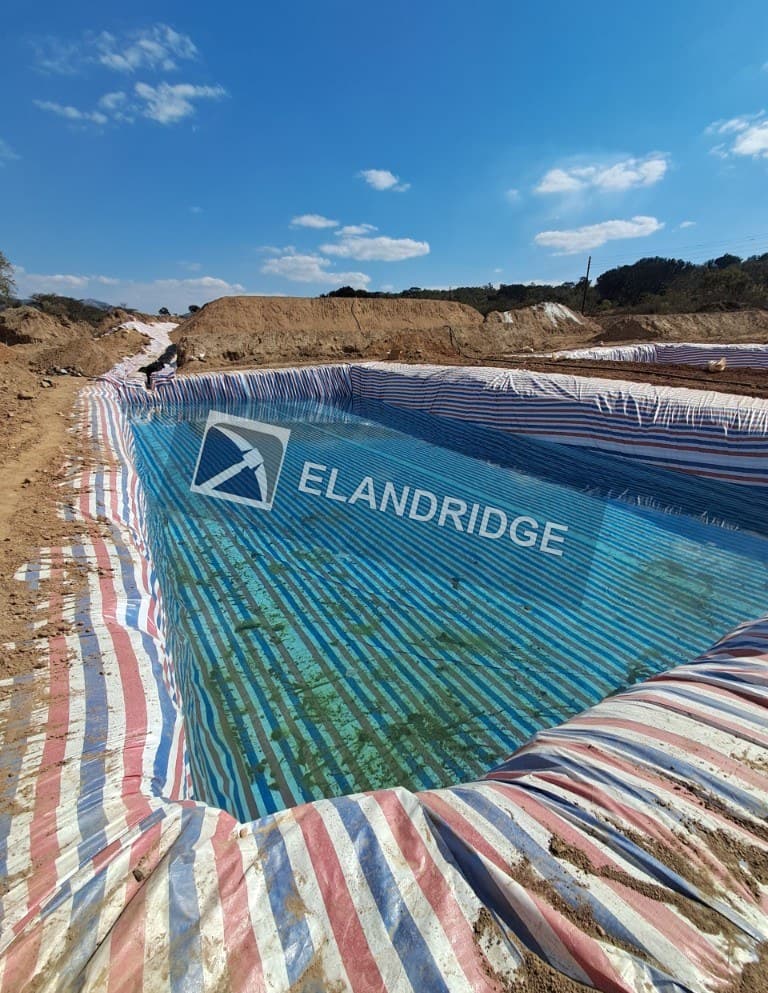
Lined ponds sit downstream of the pad to hold process solution. The same geomembrane continues from pad and trench into the pond so the circuit is closed: solution is collected, not lost to ground.
Need this kind of delivery?
Earthworks, lining, ponds, or the plant that follows — send a brief and we will tell you how we would approach it.